

You need to learn How to Become a Jumia Logistics Agent as a Student if non of the other business ideas works for you.
As you already know, waiting for your monthly allowance from home is like waiting for ASUU to call off a strike; it’s unpredictable and stressful.
Between the rising cost of handouts, data subscriptions, and just surviving the “sapa” season, every Nigerian student knows that having a side hustle isn’t a luxury anymore; it’s a necessity.
You’ve probably seen the orange Jumia vans or bikes zipping through traffic in Lagos, Abuja, or Port Harcourt.
You might have even picked up a package from a local shop near your campus. But have you ever stopped to think about the money being made behind the scenes?
If you are looking for a legitimate way to earn money, learning how to become a Jumia logistics agent could be your next big move. Whether you want to run a Jumia pick up station or handle deliveries, the e-commerce logistics sector is booming.
In this guide, we will break down exactly how you can tap into this logistics side hustle without dropping out of school.
READ ALSO: How to Start Data Reselling Business on Campus
Table of Contents
What is a Jumia Logistics Agent?
Before you rush to sign up, you need to understand the role. A Jumia logistics agent (often referred to as a 3PL partner or Service Provider) is a third-party partner who helps Jumia fulfill its promise of delivering goods to customers.
Jumia does not own every single bike or van you see. Instead, they partner with individuals and small businesses to handle the “last-mile delivery.”
As a student, there are two main ways you can fit into this ecommerce logistics puzzle:
- Delivery Service Partner (DSP): You (or your team) own a bike or van and deliver packages directly to doorsteps.
- Pick-Up Station (PUS) Agent: You own a physical space (like a small shop) where Jumia drops off packages, and customers come to collect them.
Campus Hustle Tip: If you live in a busy off-campus hostel area, the Pick-Up Station model is a goldmine. Students order online constantly, and they need a safe place to pick up their items.
Why Choose Jumia Logistics as a Student Side Hustle?

Why stress yourself with logistics when you have exams to write? Here is why this delivery agent Nigeria gig makes sense:
- Massive Customer Base: Jumia is the “Amazon of Africa.” You don’t need to look for customers; Jumia brings the packages to you.
- Steady Cash Flow: Unlike some online businesses where you wait months for a payout, logistics offers relatively consistent income based on your volume.
- Scalability: You can start with one bike (hiring a rider while you are in class) or one small shop space.
- Professional Experience: Managing logistics looks amazing on a CV. It shows future employers that you have management and operational skills.
READ ALSO: How to Start Perfume Oil Business with Zero Capital
Requirements to Become a Jumia Logistics Partner
This is where we have to be “street-smart.” Jumia is a corporate multinational, so they have standards. They won’t just hand over packages to anyone.
#1. For a Delivery Service Partner (3PL)
If you want to handle the actual movement of goods (bikes/vans):
- Corporate Affairs Commission (CAC) Registration: You usually need a registered business name or Limited company. Don’t panic, you can register a business name for cheap or partner with an uncle who has one.
- Equipment: A delivery bike, van, or tricycle in good working condition.
- Valid Documents: Vehicle license, insurance, and rider’s card/license.
- GIT Insurance: Goods in Transit insurance (to protect against theft or damage).
- Tech: An Android smartphone with data (for the Jumia App).
#2. For a Pick-Up Station Agent
This is often the best logistics side hustle for students with access to space.
- Space: A secure shop or office space (approx. 10-20 sq meters). It must be accessible and dry.
- Location: Ideally in a high-density area (e.g., near UNILAG, UNIBEN, or busy residential estates).
- Equipment: A computer/laptop, printer (for receipts), and a reliable internet connection.
- Storage: Shelves to organize packages.
- Branding: Willingness to paint the shop in Jumia colors (they often help with signage).
READ ALSO: How to Start a POS Business in School Hostel (With ₦20k)
Step-by-Step Guide on How to Become a Jumia Logistics Agent as a Student
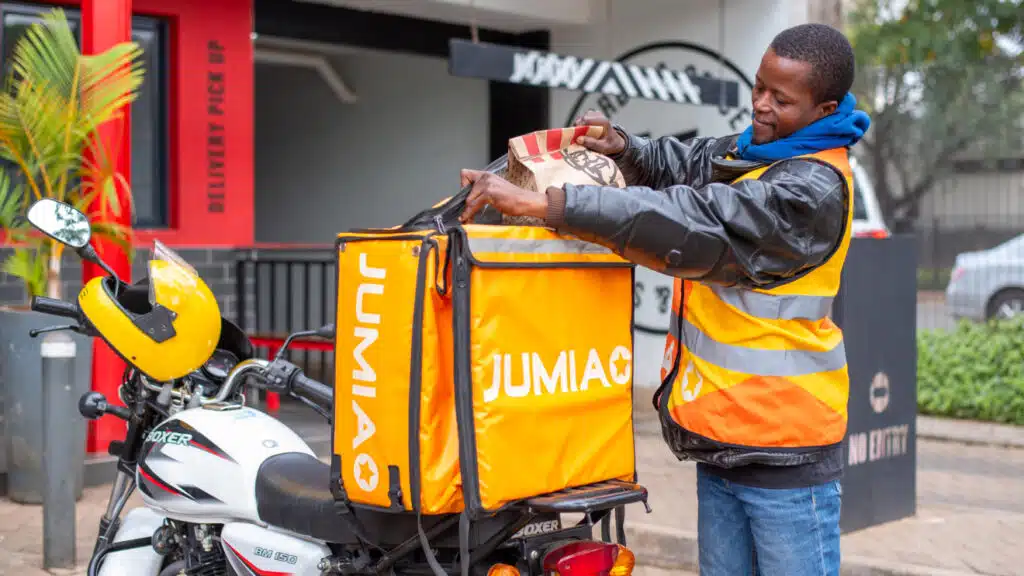
Are you ready to earn money delivery style? You’re almost ready to go.
Simply follow these steps. Note that Jumia recruits periodically, so these steps may vary slightly depending on their current intake season.
Step 1: Visit the Official Jumia Logistics Portal
Go to the Jumia Logistics Services website. Do not apply through random WhatsApp numbers promising you a job for a fee, those are scams!
Look for the “Become a Partner” or “Logistics Services” section.
Step 2: Choose Your Service Type
What service type are you looking for? Select whether you want to be a Delivery Partner (fleet owner) or a Pick-Up Station agent.
Step 3: Fill the Application Form
You will need to provide:
- Your Full Name and Contact details.
- Your Business Name (if applicable).
- State and Local Government Area (LGA).
- Details of your vehicle or shop space.
Step 4: Verification and Interview
If your location or assets match their needs, Jumia will contact you. They will likely inspect your vehicle or your shop to ensure it meets safety standards.
For Pick-Up stations, they check for security (CCTV is a plus) and accessibility.
Step 5: Training
Jumia provides training on how to use their app, how to handle customers (very important in Nigeria!), and how to process returns.
Step 6: Onboarding
Once you pass training, you sign the contract, get your credentials for the logistics system, and start receiving packages.
SEE: More Business Ideas for Nigerian Students
How to Make it Work Without Failing Exams
Do not forget, you are a student first, a businessman second. Here is how to balance the Jumia logistics agent hustle with your GPA.
The “Sub-Contractor” Method
If you have some savings, buy a delivery bike. Instead of riding it yourself (which is exhausting under the Nigerian sun), hire a trusted rider.
You manage the app and the money, they do the riding. You pay them a salary or split the commission.
The “Campus Hub” Method
Do you have a shop space in your hostel or a family shop nearby? Convert a corner of it into a Jumia pick up station. You are already at the shop anyway; handing over packages takes 2 minutes.
This is passive traffic that can also boost sales for whatever else you sell in that shop (like recharge cards or snacks).
READ ALSO: How to Start Mini Importation from China with ₦50,000
Financial Reality: How Much Can You Earn?
As beginner, you need to manage your expectations. You won’t buy a Benz in your first month, but if you work hard enough, then maybe.
Delivery Agents are paid a commission per successful delivery. In busy cities like Lagos or Abuja, a bike can do 15-25 deliveries a day.
If the commission is roughly ₦150-₦300 per package (estimates vary), the daily gross revenue is decent. However, you must deduct fuel, maintenance, and data.
Pick-Up Stations earn a fee for every package a customer collects from their shop. The volume is key here. If you process 500 packages a month, the passive income adds up significantly.
Note: Your earnings depend heavily on your Delivery Success Rate. If you or your rider are lazy and return packages as “undelivered,” Jumia will cut you off.
Challenges You Must Be Ready For
It’s not all rosy. As a delivery agent Nigeria creates specific challenges:
- Traffic and Road Safety: Lagos traffic is legendary. Bikes break down. Safety gear is non-negotiable.
- “Payment on Delivery” Drama: Sometimes customers order items and then refuse to pick up their calls or say they don’t have cash. This wastes your time and fuel.
- Network Issues: Sometimes the Jumia app might glitch, or the bank network is down for transfer.
- Trust: If you hire a rider, you need to trust them not to run away with packages or cash.
Disclaimer
Financial Disclaimer: The income estimates provided in this article are based on market averages and anecdotal evidence. Actual earnings depend on location, volume of orders, and operational efficiency. Starting a business involves financial risk. Always conduct your own feasibility study before investing your school fees or savings into a logistics business.
In Summary
Becoming a Jumia logistics agent as a student is a bold move, but it is one of the most practical ways to understand the Nigerian business landscape. It moves you from just being a consumer to being a key player in the supply chain.
Whether you decide to open a Jumia pick up station in your hostel area or manage a delivery bike on the side, the skills you learn, logistics, customer service, and money management, will be more valuable than some of the courses you are studying in school.
Over to you: Have you ever tried a logistics side hustle in school? What was your biggest challenge? Drop a comment below let’s discuss!
READ ALSO: Top 10 Fast-Selling Products to Start Dropshipping on Jiji & Facebook
FAQs on Becoming a Jumia Logistics Agent
Do I need a degree to become a Jumia Logistics Agent?
No, you do not need a university degree. However, you need to be literate, able to use a smartphone, and understand basic business management.
Can I do this as a part-time student?
Yes; Running a Pick-Up station is easier for part-time work. If you want to do deliveries, you might need to hire a rider so deliveries can continue while you are in lectures.
Is Jumia Logistics the same as J-Force?
No. J-Force is a sales program where you order items for people and get a commission. Jumia Logistics is about the physical delivery and warehousing of items.
How much capital do I need to start?
For a Pick-Up station, if you already have a shop, the capital is low (branding and internet). For delivery, you need the cost of a bike (approx ₦400k – ₦700k depending on if it’s new or used) and registration fees.






Leave a Comment