

Starting a Thrift Business in Nigeria is actually easy as a student on campus. Between ASUU strikes, the fluctuating Naira, and the general “shege” that comes with being a Nigerian student; waiting for a monthly allowance or a post-graduation job isn’t enough anymore.
You need a side hustle that pays the bills and maybe funds that “Detty December.” So, let’s talk about the thrift business Nigeria market.
This isn’t just about selling old clothes; it’s about “packaging.” It’s about taking high-quality vintage wears, giving them a new life, and selling them for a cool profit.
Whether you call it Okrika, Bend-down-select, or Pre-loved fashion, this industry is currently one of the most lucrative ventures for young people in Nigeria.
In this guide, we are going to break down exactly how to start, where to source, and how to cash out from selling clothes online without breaking the bank.
READ ALSO: How to Start a POS Business in School Hostel (With ₦20k)
Table of Contents
Why Start a Thrift Business in Nigeria?
Before we talk about how, let’s talk about why. Why are medical students, law students, and fresh grads jumping into the fashion hustle?
- High Profit Margins: You can buy a vintage shirt for ₦500 at Yaba market and, with the right packaging and branding, sell it for ₦3,000 or more online.
- Recession Proof: Inflation is high. People can’t afford boutique prices, but they still want to look fresh. Okrika bridges that gap.
- Sustainability Trend: Gen Z loves “Vintage.” Wearing unique, sustainable clothing is a trend that is here to stay.
- Flexibility: You can run this business from your hostel room or your parent’s house using just your smartphone.
Street Wisdom: The difference between a “used clothes seller” and a “Thrift Store CEO” is branding. Treat it like a proper business, and customers will pay you proper money.
Understanding the Market: Grades of Okrika
If you want to sell vintage clothes online, you must understand what you are buying. Okrika comes in bales (large bundles) or you can “pick” (select individually).
The Grading System
- Grade A (First Grade Okrika): These are items that look almost new. Some even have the original tags. They are vibrant, no stains, no tears. This is what you want for an online store.
- Grade B: Good condition but might show slight signs of wear or require minor repairs (like a missing button).
- Grade C: These are usually the “rejects” found at the bottom of the bale. They are very cheap but hard to sell online for a premium price.
Pro Tip: If you are just starting and have low capital, do not buy a bale yet. Go to the market and handpick Grade A items. Bales are a gamble; sometimes you buy a “sealed” bale and find it’s full of rags.
READ ALSO: How to Start Mini Importation from China with ₦50,000
Steps on How to Start Your Online Thrift Store
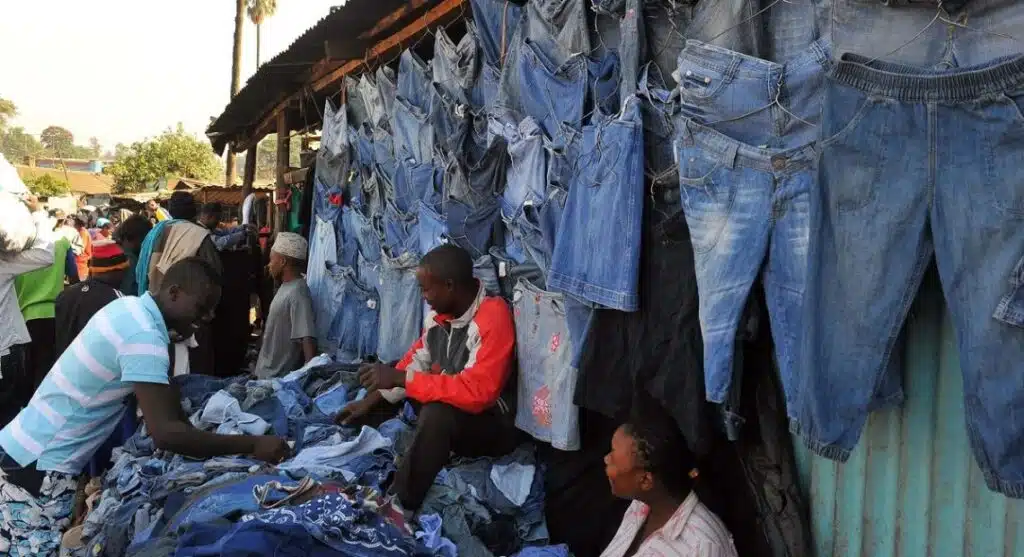
Are you ready to launch your thrift business? Follow these steps to build your empire.
1. Niche Down
Don’t just sell “clothes.” The market is crowded. Pick a specific category to stand out:
- Vintage oversized tees
- Corporate workwear (Chiffon tops/trousers)
- Denim (Mom jeans, baggy jeans)
- Activewear (Gym clothes)
2. Sourcing Your Inventory
This is the most critical part. You need to know where to find the goods.
- Lagos: Katangowa (Super strong for bales), Yaba (Tejuosho), Aswani (Wednesdays), and Balogun.
- Other Cities: Oil Mill market (Port Harcourt), Kantin Kwari (Kano).
Understanding the Costs: The Okrika bale price fluctuates wildly based on the exchange rate (Dollar to Naira).
- A bale of First Grade Chiffon tops might range from ₦150,000 to ₦250,000.
- A bale of Mixed items might be cheaper.
- If handpicking: You can budget ₦30,000 to get a solid stock of 20-30 premium pieces.
3. The “Packaging” (Laundering & Ironing)
You cannot sell dirty clothes online. Period.
- Wash every item with good detergent and fabric softener (to kill that “bale smell”).
- Iron the clothes crisp.
- Use a fabric shaver to remove lint/fuzz from cotton materials.
- Packaging: Use customized nylon bags or brown craft paper with a “Thank You” sticker. This makes the customer feel like they bought something new.
4. Photography is Everything
You are running an Instagram thrift store; your customers can’t touch the fabric, so they buy with their eyes.
- Lighting: Use natural daylight (morning sun is best). Ring lights are okay, but natural light shows the true color.
- Background: Use a plain white wall, a rug, or model the clothes yourself. A cluttered background = cheap vibes.
- Angles: Show the front, back, and a close-up of the label or fabric texture.
5. Set Up Your Platform
- Instagram: Create a business account. Use a catchy handle (e.g., ThriftByNkechi).
- Bio: Clearly state what you sell, your location, and how to order (DM or WhatsApp link).
- Highlights: Create highlights for “Available,” “Sold,” “Reviews,” and “Delivery Rates.”
Marketing Your Fashion Hustle
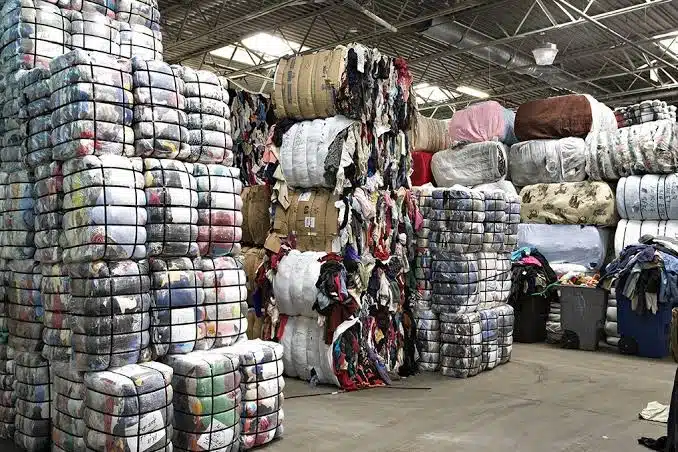
You have the clothes, now you need the buyers.
- Use Trending Audio: When posting Reels on Instagram or TikTok, use trending Nigerian sounds.
- Hashtags: Use a mix of broad and specific tags. Examples: #ThriftNigeria, #VintageStoreLagos, #AbujaThrift, #OkrikaBusiness.
- Influencer Marketing: You don’t need Don Jazzy. Find a micro-influencer (a student with 2k-5k followers) on your campus. Give them a free shirt in exchange for a shoutout.
- Run Ads: Even ₦2,000 can run a targeted Instagram ad to people in your city.
SEE: More Student Business Ideas
Common Mistakes to Avoid
- Underpricing or Overpricing: Don’t sell a Grade A dress for ₦1,000 just to sell fast, you will run at a loss after data and transport costs. Don’t sell it for ₦15,000 if it’s not designer. Check competitors for pricing.
- Ignoring Delivery Logistics: Nigeria’s logistics can be a headache. Partner with a reliable dispatch rider or use GIG Logistics for interstate delivery. Always make the customer pay for delivery.
- Buying Bales Blindly: As a beginner, avoid “blind bales.” Ask to see a video of the bale opening if buying remotely, or better yet, buy from a trusted supplier who offers “mini-bales.”
Financial Disclaimer: While the thrift business is profitable, it is not a “get rich quick” scheme. Prices of bales are subject to market volatility and exchange rates. Always start small with money you can afford to tie down for a few weeks. Do your own research before sending money to bale suppliers online to avoid scams.
READ ALSO: Top 10 Fast-Selling Products to Start Dropshipping on Jiji & Facebook
In Summary
Starting a thrift business Nigeria is one of the smartest moves you can make as a student or young entrepreneur. It combines the hustle spirit with creativity.
Sure, waking up at 5:00 AM to hit Katangowa market isn’t glamorous, but hearing that credit alert drop when you sell your first grade okrika pieces? That feeling is unmatched.
Don’t overthink it. You don’t need a website or a shop immediately. Start with what you have, where you are.
Ready to start your journey? Tell us in the comments below: Which niche of thrift wear are you planning to sell? (Vintage shirts, denim, or corporate wear?).
FAQs on Thrift Business Nigeria
How much do I need to start a thrift business in Nigeria?
You can start with as little as ₦20,000 to ₦30,000 if you are handpicking clothes from the market (Yaba/Katangowa). If you want to buy a bale, you need between ₦80,000 and ₦250,000 depending on the clothing category and grade.
Is selling Okrika profitable in Nigeria?
Yes, it is very profitable. Margins are typically 50% to 200%. A top bought for ₦500 can easily sell for ₦2,500 if washed, ironed, and photographed well.
Where is the best place to buy Okrika bales?
Katangowa Market (Super) in Lagos is arguably the biggest hub. However, Yaba Market and Aswani Market are excellent for handpicking. If you are in Kano, Kantin Kwari is the go-to spot.
How do I price my thrift items?
Calculate your Cost Price (Item cost + Transport + Data + Packaging + Laundering). Then add your profit margin. Formula: (Cost of Item + Expenses) x 2 = Selling Price.




Leave a Comment