
Have you been thinking of becoming a hostel agent, this is the article you need to equipe yourself and get started immediately.
Every year, thousands of new students (freshers) flood into Nigerian universities, polytechnics, and colleges of education. From UNILAG to ABU Zaria, the story is the same: the school hostels are full, and everyone is desperate for a place to sleep.
This yearly crisis is your goldmine and you should capitalize on it immediately.
If you are tired of calling home for “urgent 2k” or waiting for the government to fix the economy, starting a hostel agent business is one of the smartest moves you can make as a Nigerian student.
It requires almost zero capital, relies entirely on your networking skills, and the profit margins are sweet.
In this guide, we will break down exactly how to become a sought-after student accommodation agent, how to negotiate your fees, and how to build a reputation that keeps the Naira flowing into your account.
READ ALSO: How to Start Data Reselling Business on Campus
Table of Contents
Why Become a Student Accommodation Agent?
Before we dive into the “how,” let’s talk about the “why.” In Nigeria, the real estate sector is booming, and campus housing is a micro-version of that industry.
As a student, you have an advantage that professional estate agents outside the school gate don’t have: Access. You know the students, you know the slang, and you know the struggle.
Here is why this business rocks:
- Flexibility: You can do this while studying. You schedule inspections during your free periods.
- Scalability: You can start alone and eventually hire other students to work under you.
- Cash Flow: Unlike some online businesses where you wait 30 days for payment, real estate commission is paid immediately after the deal is closed.
Pro Tip: In this business, your net worth is truly your network. The more people you know, the more money you make.
READ ALSO: How to Start Perfume Oil Business with Zero Capital
Step-by-Step Guide on How to Start Your Hostel Agent Business
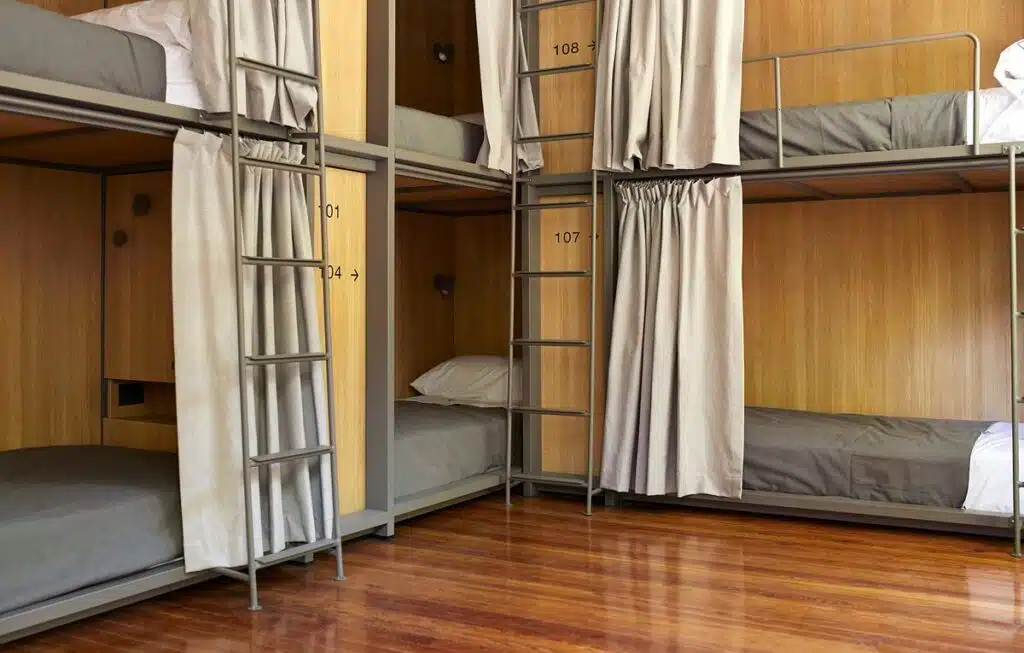
Starting a hostel agent business isn’t just about walking around campus. You need a strategy to stand out from the “quack” agents who scam students.
Simply follow these steps to build a legitimate brand.
Step 1: Market Research & Scouting (The “Leg Work”)
You cannot sell what you don’t have. Your first week should be dedicated to data collection.
- Walk around the off-campus areas (the “school villa”).
- Identify lodges that have “To Let” banners.
- Identify lodges that don’t have banners but might have vacancies (ask the gateman).
- Take note of the prices, amenities (water, light, security), and distance to the school gate.
Step 2: Build Relationships with Landlords and Caretakers
This is the most critical step. You need to approach the owners or caretakers of these hostels.
- Introduce yourself politely as a student agent.
- Ask for permission to bring clients (students) to inspect the vacant rooms.
- Crucial: Agree on your cut. In most Nigerian university environments, the agent fee Nigeria standard is a separate fee paid by the student, but sometimes you can also negotiate a cut from the landlord if you fill the lodge quickly.
Step 3: Create a Database (Your Inventory)
Don’t just keep the info in your head. Create a Google Sheet or a dedicated notebook.
- Lodge Name: e.g., “Success Villa.”
- Price: e.g., ₦150,000 per year.
- Agent Fee: e.g., ₦20,000.
- Pictures/Videos: Take clear, high-quality photos and video tours. Students want to see the toilet, the kitchen, and the room size before they move an inch.
Step 4: Marketing (How to Find Hostels for Freshers)
Freshers are your target market. They are new, confused, and terrified of being scammed. They need a hero.
- WhatsApp Status: This is your shop. Post the video tours with catchy captions.
- WhatsApp TV: Pay a small token to popular campus influencers to post your available lodges.
- Facebook Groups: almost every school has a “Freshers Connect” or “Admission Seekers” group. Join them and offer value.
- Word of Mouth: Tell your course mates. Tell the fellowship president. Tell the departmental president.
Step 5: The Inspection and Closing
When a student contacts you:
- Pre-qualify them: Ask for their budget immediately. Don’t show a ₦300k self-con to a student with a ₦100k budget.
- Schedule the view: Be punctual. Nigerian time does not apply here.
- Close the deal: If they like it, connect them with the landlord/caretaker for payment.
- Collect your commission: Ensure you get your real estate commission (agent fee) immediately after they pay rent.
READ ALSO: Tutorial Business Ideas: How to Organize Tutorial Classes in School
Understanding the Numbers as an Agent
How much can you actually make? In the Nigerian campus housing market, the pricing structure usually looks like this:
- Total Package: Rent + Caution Fee + Service Charge + Legal/Agent Fee.
- Your Cut: The “Agent Fee.”
Typically, the agent fee is calculated as 10% of the rent or a fixed amount agreed upon within the student community.
Example Calculation:
- You find a self-contain apartment for ₦200,000.
- The Agent Fee is usually 10% = ₦20,000.
- If you help just 5 students find a room in a month, that is ₦100,000 in your pocket.
Note: In some high-brow areas or for luxury student apartments, agents charge up to 20%. However, be reasonable. If your fees are too high, students will bypass you and go directly to the landlord.
Challenges You Will Face (And How to Solve Them)

It’s not always rosy. Here is the street-smart reality of the hostel agent business:
1. The “Bypass” Syndrome Some students will let you show them the lodge, then return later behind your back to pay the landlord to avoid the agent fee.
- Solution: Build a strong relationship with the caretaker. Ask the caretaker to protect your interest and insist that the student pays through you or acknowledges you.
2. Stubborn Landlords Some landlords hate agents.
- Solution: Focus on the landlords who value your service. Prove your worth by bringing serious clients, not time-wasters.
3. Trust Issues Students are scared of Yahoo boys and scammers posting fake houses.
- Solution: never ask a student to transfer rent to your personal account. Always direct them to pay the landlord. Only accept your agent fee personally. This builds massive trust.
Disclaimer: We are not financial advisors or legal experts. The rental laws in Nigeria can vary by state (e.g., Lagos Tenancy Law vs. laws in Enugu). Always ensure you have a clear, written agreement regarding commissions. Do not collect rent money on behalf of a landlord unless you have a written power of attorney to do so. Protect yourself and your reputation.
In Summary
Starting a hostel agent business is one of the most practical ways to secure financial independence while on campus. It teaches you sales, negotiation, and human psychology, skills that will help you long after you graduate.
The hostels are there. The students are coming. The money is waiting. The only thing missing is you taking action.
Are you ready to start your agency, or will you watch others cash out this semester? Drop a comment below if you have questions about your specific school’s housing market!
READ ALSO: How to Become a Jumia Logistics Agent as a Student
FAQs About Hostel Agent Business
Do I need a license to be a student accommodation agent?
Technically, full-time real estate agents should be registered, but for informal campus housing within the school environment, you generally do not need a license to start. However, always operate ethically and follow school regulations.
How do I find hostels for freshers before they resume?
Join “Aspirant” WhatsApp groups and Telegram channels for your specific university during the admission processing period. Offer advice on the best locations to live, and pitch your services early.
Can I charge a “Registration Fee” for inspections?
Some agents charge a small fee (e.g., ₦1,000) for “transport/inspection” to filter out unserious clients. While this is common, offering free inspections can be a great marketing strategy to attract more clients than your competitors.
What is the standard agent fee in Nigeria for students?
It varies by location, but it is typically between 10% and 20% of the annual rent. In some schools, it is a fixed cap (e.g., flat ₦20k regardless of rent).